
va state inspection manual
Virginia State Inspection Manual: A Comprehensive Overview (Updated 12/10/2025)
This manual details Virginia’s annual vehicle inspection program‚ ensuring road safety and environmental compliance through rigorous safety and emissions standards checks․
Virginia’s Official Motor Vehicle Inspection Program is a cornerstone of roadway safety‚ mandated annually for all registered vehicles within the Commonwealth․ Administered by the Virginia State Police through a network of certified inspection stations‚ this program proactively identifies and addresses potential mechanical issues before they contribute to accidents․
The inspection process isn’t merely a formality; it’s a comprehensive evaluation encompassing both safety components – like brakes‚ tires‚ and lights – and emissions standards‚ ensuring vehicles meet environmental guidelines․ Successful completion results in a green inspection sticker‚ valid for one year‚ signifying the vehicle’s roadworthiness․ This program directly impacts the safety of all Virginia drivers and passengers․
II․ Legal Framework & Governing Body
The Virginia State Police (VSP) holds the primary authority and responsibility for overseeing the Virginia Official Motor Vehicle Inspection Program․ This authority is derived from the Code of Virginia‚ specifically outlining the requirements and standards for vehicle inspections across the state․
The VSP Superintendent approves all official inspection requirements‚ ensuring consistency and adherence to established safety and emissions protocols․ Certified inspection stations operate under strict VSP guidelines‚ subject to regular audits and quality control measures․ This robust legal framework guarantees a standardized and reliable inspection process‚ promoting public safety and environmental protection throughout Virginia’s roadways․
III․ Vehicle Types Requiring Inspection
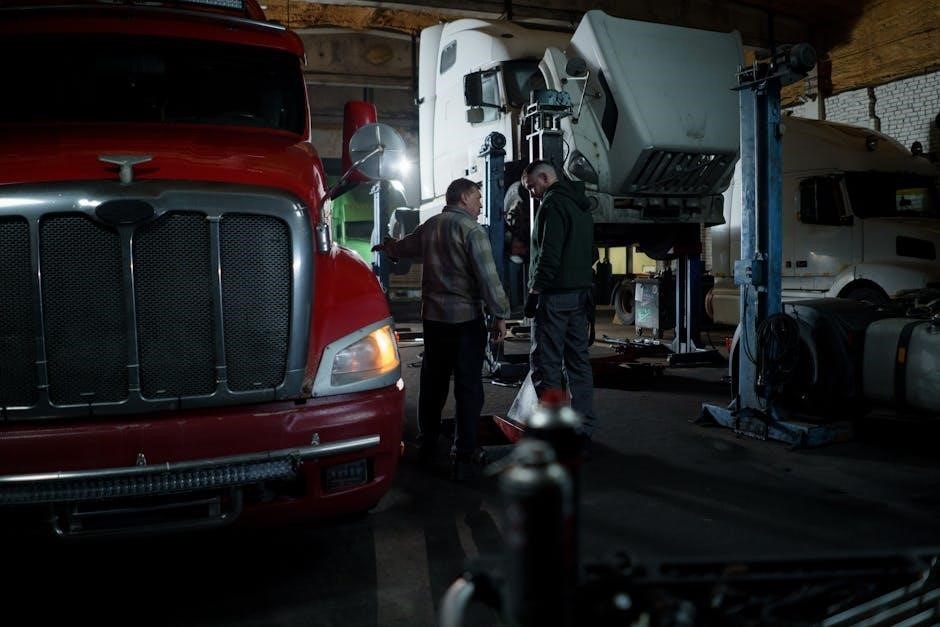
Virginia law mandates annual safety inspections for most registered vehicles operating on public roads․ This encompasses a broad range of vehicle types‚ categorized primarily by weight and usage․ Passenger vehicles‚ defined as those under 10‚000 lbs Gross Vehicle Weight Rating (GVWR)‚ are subject to standard inspection protocols․
Trucks and trailers exceeding 10‚000 lbs GVWR require more comprehensive inspections‚ focusing on braking systems and structural integrity․ Motorcycles also necessitate annual inspections‚ with specific checks tailored to their unique components․ Understanding these classifications is crucial for vehicle owners to ensure compliance with Virginia’s inspection requirements and maintain legal operation․
A․ Passenger Vehicles (Under 10‚000 lbs GVWR)
The inspection process for passenger vehicles – those weighing under 10‚000 lbs GVWR – focuses on core safety components․ This includes a thorough evaluation of the braking system‚ ensuring optimal functionality and condition․ Tire tread depth and overall tire damage are carefully assessed to guarantee adequate traction and prevent blowouts․
Operational lights‚ encompassing headlights‚ taillights‚ and turn signals‚ are meticulously checked for proper illumination and functionality․ These inspections are vital for maintaining road safety and ensuring vehicles meet Virginia’s established standards․ A passing inspection results in a green inspection sticker‚ valid for one year․
B․ Trucks & Trailers (Over 10‚000 lbs GVWR)
Trucks and trailers exceeding 10‚000 lbs GVWR undergo a more comprehensive inspection process due to their size and potential impact on road safety․ Beyond the standard safety checks applied to passenger vehicles‚ these inspections include scrutiny of coupling devices‚ suspension systems‚ and frame integrity․
Brake systems receive particularly detailed attention‚ given the increased stopping distances associated with heavier vehicles․ Inspections also verify proper load securement and adherence to weight distribution regulations․ The inspection fee for these larger vehicles is $51․00․ Successful completion yields an inspection sticker‚ confirming compliance with Virginia’s stringent standards․
C․ Motorcycles
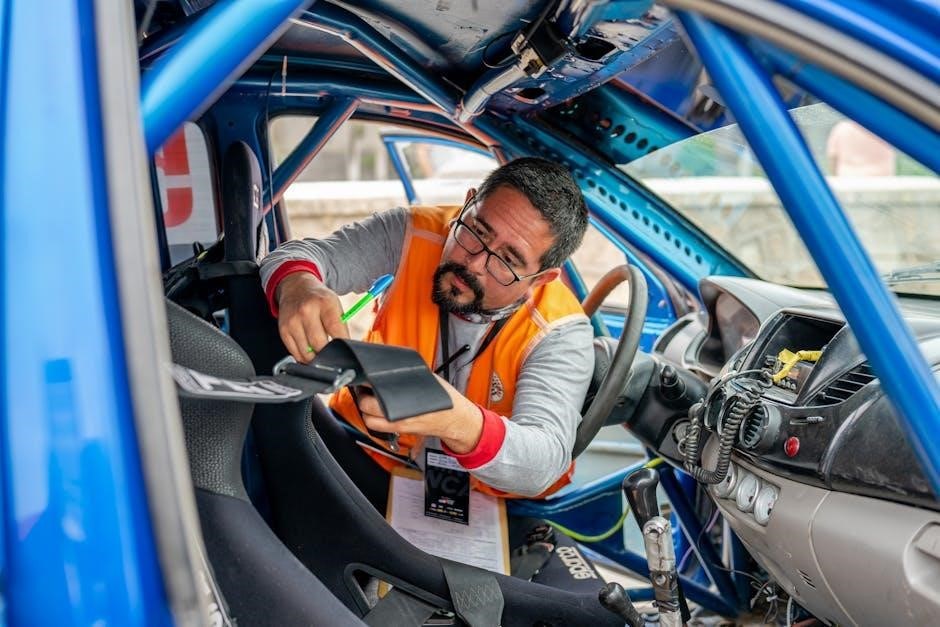
Motorcycles in Virginia are subject to annual safety inspections‚ ensuring they meet minimum operational standards for safe road use․ These inspections focus on critical components like brakes‚ lights (headlight‚ taillight‚ turn signals)‚ tires‚ and steering mechanisms․ Proper functionality of all safety equipment is paramount․
Inspectors verify horn operation and check for any modifications that compromise safety․ The current inspection fee for motorcycles is $12․00․ Passing the inspection results in the issuance of a valid inspection sticker․ Maintaining a current inspection is crucial for legal operation on Virginia roadways‚ promoting rider and public safety․
IV․ Inspection Frequency & Sticker Validity
Virginia law mandates annual safety inspections for most registered vehicles․ This ensures consistent monitoring of vehicle conditions‚ contributing to overall road safety․ The inspection sticker‚ currently green for the year 2025‚ signifies a vehicle has passed the required safety standards․
The sticker’s validity period is twelve months from the date of inspection․ Owners are responsible for ensuring their vehicle remains inspected throughout the year․ Operating a vehicle with an expired inspection sticker is a violation of Virginia law‚ potentially resulting in fines․ Regular inspections are a cornerstone of Virginia’s commitment to safe roadways․
V․ Cost of Inspection

The cost of a Virginia safety inspection varies depending on the vehicle type․ Currently‚ motorcycle inspections are set at a flat fee of $12․00․ For larger vehicles‚ the fees increase accordingly; A tractor-trailer‚ or any truck exceeding a Gross Vehicle Weight (GVW) of 26‚000 pounds‚ incurs a $51․00 inspection fee․
Vehicles designed to transport more than fifteen passengers‚ including the driver‚ also fall into the $51․00 fee category․ These fees are established and regulated by the Virginia State Police‚ ensuring standardized pricing across authorized inspection stations․ These costs cover the thorough safety assessment performed during the inspection process․
A․ Motorcycle Inspection Fees
Motorcycle inspections in Virginia maintain a consistent and affordable fee structure for all riders․ As of the latest update (12/10/2025)‚ the standard inspection fee for motorcycles is $12․00․ This flat rate applies regardless of the motorcycle’s make‚ model‚ or engine displacement․
This fee covers a comprehensive safety check‚ including brakes‚ lights‚ tires‚ and overall operational condition․ Authorized inspection stations are required to adhere to this pricing‚ ensuring transparency for motorcycle owners․ The $12․00 fee contributes to maintaining road safety by verifying that all motorcycles meet Virginia’s minimum safety standards before operation on public roadways․
B․ Truck/Trailer & Large Passenger Vehicle Fees
Inspection fees for trucks‚ trailers‚ and large passenger vehicles in Virginia are tiered based on vehicle type and capacity․ A tractor-trailer‚ any truck exceeding 26‚000 pounds GVWR‚ or a vehicle designed to transport more than 15 passengers (including the driver) incurs a $51․00 inspection fee․

This higher fee reflects the more extensive and complex inspection process required for these larger vehicles‚ focusing on critical safety components like braking systems‚ coupling devices‚ and structural integrity․ Authorized inspection stations must strictly adhere to this fee schedule․ These fees support the Virginia State Police’s oversight and ensure these vehicles meet stringent safety regulations․

VI․ Required Documents for Inspection
To undergo a Virginia safety inspection‚ vehicle owners must present specific documentation to the authorized inspection station․ Primarily‚ a valid vehicle registration is mandatory‚ confirming the vehicle is legally registered in Virginia․ Proof of current vehicle insurance is also essential‚ demonstrating financial responsibility in case of incidents․

Additionally‚ the vehicle identification number (VIN) will be verified against the registration and insurance documents․ For newly purchased vehicles‚ a bill of sale may be requested․ Ensure all documents are readily available to streamline the inspection process and avoid potential delays․
VII․ Detailed Inspection Checklist ⸺ Safety Components
The Virginia safety inspection meticulously examines critical vehicle components․ Brakes are thoroughly assessed for functionality and condition‚ ensuring proper stopping power․ Tires undergo scrutiny for adequate tread depth and any signs of damage‚ like bulges or cuts․ A comprehensive lights check verifies the operation of headlights‚ taillights‚ and turn signals․
Inspectors also evaluate steering and suspension systems‚ windshield wipers‚ and the horn․ Seatbelts are checked for proper latching and functionality․ The vehicle’s overall structural integrity is assessed‚ looking for corrosion or damage that could compromise safety․
A․ Brakes (Functionality & Condition)
During the Virginia safety inspection‚ brake systems receive detailed attention․ Inspectors verify proper functionality by testing stopping distance and ensuring the vehicle doesn’t pull to one side during braking․ The condition of brake pads‚ rotors‚ drums‚ and lines is carefully examined for wear‚ damage‚ and leaks․
Adequate brake fluid levels are confirmed‚ and the parking brake is tested for secure engagement․ Any issues impacting braking performance‚ such as worn components or hydraulic problems‚ will result in inspection failure․ Ensuring reliable braking is paramount for road safety․
B․ Tires (Tread Depth & Damage)
Virginia’s vehicle inspection thoroughly assesses tire safety․ Inspectors measure tread depth to ensure it meets the minimum legal requirement‚ typically 2/32 of an inch․ Insufficient tread compromises traction‚ especially in wet conditions; Any tire exhibiting this level of wear will cause a failure․
Inspectors also scrutinize tires for any signs of damage‚ including cuts‚ bulges‚ sidewall cracks‚ and uneven wear patterns․ These defects can lead to blowouts and loss of control․ Proper tire inflation is also verified․ Safe tires are crucial for maintaining vehicle stability and preventing accidents․
C․ Lights (Headlights‚ Taillights‚ Turn Signals)

Virginia’s inspection process meticulously checks all exterior lights for proper functionality․ Headlights must be correctly aligned and operate on both low and high beams․ Taillights are inspected to ensure they illuminate brightly and consistently․ Inspectors verify that brake lights activate immediately upon pedal depression․
Turn signals‚ including hazard lights‚ are tested for correct operation and visibility․ Broken or malfunctioning lights are a common cause of inspection failure․ All lenses must be intact and free from excessive damage or discoloration․ Proper lighting is essential for visibility and communicating intentions to other drivers․
VIII․ Detailed Inspection Checklist ─ Emissions Standards
Virginia’s emissions standards are a critical component of the vehicle inspection process‚ aiming to reduce air pollution․ Vehicles undergo testing to ensure they meet established limits for harmful pollutants․ The inspection utilizes On-Board Diagnostic (OBD) systems to assess emissions control system functionality․
Inspectors check for the presence and proper operation of catalytic converters and oxygen sensors․ Tampering with emissions control equipment is strictly prohibited and results in immediate failure․ Vehicles failing the emissions test require repairs and a subsequent re-inspection․ Compliance ensures cleaner air and a healthier environment for all Virginians․
IX․ Common Reasons for Inspection Failure
Numerous factors can lead to a vehicle failing a Virginia safety inspection․ Defective brake components‚ including worn pads‚ rotors‚ or leaks‚ are frequent causes; Tire issues‚ such as insufficient tread depth or sidewall damage‚ also result in failure․ Malfunctioning lights – headlights‚ taillights‚ and turn signals – are commonly cited․
Emissions control system problems‚ like a faulty catalytic converter or check engine light‚ trigger failures․ Structural damage‚ including frame corrosion‚ and compromised suspension components are also disqualifying․ Addressing these issues promptly ensures vehicle safety and compliance with Virginia regulations‚ avoiding potential fines․
X․ Re-Inspection Process & Timeframe
If a vehicle fails its initial Virginia safety inspection‚ a re-inspection is required to verify corrections․ Vehicle owners have 30 days from the original inspection date to address the identified issues and return to an authorized inspection station․ The re-inspection focuses solely on the items that caused the initial failure․
A reduced re-inspection fee applies‚ avoiding full inspection costs․ It’s crucial to retain the original inspection report as proof of failed items․ Failure to rectify the problems within the 30-day window necessitates a complete re-inspection at the standard fee․
XI․ Finding Authorized Inspection Stations
Locating an authorized Virginia vehicle inspection station is straightforward․ The Virginia State Police maintains a comprehensive online directory on their official website‚ allowing users to search by city‚ county‚ or zip code․ This directory provides station addresses‚ contact information‚ and operating hours․
Many auto repair facilities‚ gas stations‚ and independent garages are certified to perform inspections․ Ensure the station displays current Virginia State Police authorization․ It’s advisable to call ahead to confirm inspection availability and pricing․ Avoid unofficial or unlisted locations‚ as they are not authorized to conduct legal inspections․
XII․ Virginia State Police Role in Inspection Oversight
The Virginia State Police (VSP) holds primary responsibility for overseeing the entire Official Motor Vehicle Inspection Program․ VSP certifies inspection stations and their technicians‚ ensuring adherence to established standards․ They conduct regular audits of inspection facilities to verify compliance and investigate complaints regarding improper inspections․
VSP also approves all inspection procedures and equipment used․ They issue the official inspection stickers‚ currently green for 2025‚ and maintain the database of inspected vehicles․ The VSP’s oversight is crucial for maintaining the integrity and effectiveness of the inspection program‚ ultimately enhancing road safety across the Commonwealth․
XIII․ Exemptions to the Inspection Requirement
Certain vehicles are exempt from Virginia’s annual safety inspection requirement․ Newly registered vehicles‚ typically those less than one year old‚ are generally exempt from the initial inspection․ Vehicles used exclusively on private property are also exempt‚ provided they don’t operate on public roadways․
Antique vehicles‚ defined as 25 years or older‚ may be subject to modified inspection standards․ Farm vehicles used solely for agricultural purposes also receive exemptions․ However‚ these exemptions are subject to specific criteria and documentation requirements as defined by the Virginia State Police․ Owners should verify their eligibility with the VSP․
XIV․ Impact of Inspection on Vehicle Registration

A current‚ valid Virginia safety inspection is a prerequisite for vehicle registration renewal․ The Virginia Department of Motor Vehicles (DMV) requires proof of inspection before processing registration․ Without a passing inspection‚ registration will not be renewed‚ rendering the vehicle illegally operated on public roads․
The inspection sticker serves as verification of compliance․ The DMV electronically verifies inspection data‚ streamlining the registration process․ Owners receive renewal notices detailing inspection requirements․ Failure to obtain an inspection within the specified timeframe can lead to penalties and delayed registration․ Maintaining a current inspection is crucial for legal vehicle operation․
XV․ Updates to Inspection Regulations (2025)
For 2025‚ Virginia’s inspection program features a new green inspection sticker‚ replacing previous colors‚ signifying a passed inspection․ Updates focus on enhanced emissions testing protocols for newer vehicle models‚ aligning with federal standards․ There are no changes to the basic safety inspection components․
Inspection stations received updated training on these revised procedures․ The Virginia State Police continue to oversee program compliance․ Owners should anticipate no significant cost increases‚ maintaining current fee structures․ These updates aim to improve accuracy and environmental protection‚ ensuring Virginia vehicles meet modern safety and emission requirements․
XVI․ Resources & Further Information
For comprehensive details on Virginia’s vehicle inspection program‚ visit the Virginia State Police website dedicated to the Official Motor Vehicle Inspection Program․ This resource provides access to the full inspection manual‚ lists of authorized inspection stations‚ and frequently asked questions․
Vehicle owners can also find information regarding exemptions and re-inspection procedures online․ Contacting the Virginia State Police directly offers personalized assistance․ Remember‚ maintaining a safe and compliant vehicle is a shared responsibility․ Utilize these resources to ensure your vehicle meets all Virginia inspection requirements‚ contributing to safer roadways for everyone․