
timex watch instructions
Timex Watch Instructions: A Comprehensive Guide (Updated 04/21/2026)
Today is 04/21/2026 06:44:06 ()․ Welcome to the user manual for your Timex 1T2312․ This guide will help you master your watch’s functions․
Timex has a rich history of crafting durable and reliable timepieces, becoming a globally recognized brand since its inception․ For generations, Timex watches have been synonymous with practicality and affordability, offering a diverse range of styles to suit every lifestyle․
This comprehensive guide is designed to empower you, the Timex owner, with the knowledge to fully utilize your watch’s features․ Whether you possess a classic analog model, a feature-packed digital watch, or a hybrid, we’ll cover everything from basic time setting to advanced functions like alarms and the Indiglo night-light․
We aim to provide clear, step-by-step instructions, ensuring a seamless experience․ Let’s begin unlocking the full potential of your Timex watch!
Understanding Your Timex Model
Timex offers a vast array of watch models, each with unique features and functionalities․ Before diving into specific instructions, identifying your particular model is crucial․ Look for the model number, typically found on the case back – in this instance, 1T2312․
This number unlocks access to model-specific resources and ensures you’re following the correct procedures․ Some Timex watches boast advanced capabilities like stopwatches, multiple alarms, or water resistance up to certain depths․
Understanding these specifications allows for optimal use and care․ Refer to the packaging or Timex’s official website for detailed information regarding your model’s features and limitations․
Basic Timex Watch Components
A Timex watch, regardless of its complexity, shares fundamental components․ The case houses and protects the internal mechanisms․ The crystal, typically made of glass or acrylic, covers the watch face, providing clarity and protection․ The crown is the winding knob, used for setting the time and date – crucial for the 1T2312 model․
Hands (hour, minute, and second) display the time on an analog watch․ Digital models utilize an LCD or LED screen․ The strap or band secures the watch to your wrist․ Finally, the movement is the engine, powering the watch’s functions․
Setting the Time on an Analog Timex
To set the time on your analog Timex, begin by gently pulling the crown out to the first position – this allows for date adjustment on some models․ Pulling it further to the second position enables independent time setting․ Rotate the crown clockwise to move the hands forward, and counter-clockwise to move them backward․
Ensure the date changes correctly at midnight․ Once the correct time is set, push the crown fully back in to its original position․ This stops the hands and preserves the set time․ Regular checks ensure accuracy!
Adjusting the Crown for Time Setting
The crown is key to setting your analog Timex․ Locate the crown on the side of the watch case․ Gently pull it outwards; typically, a single click allows for date adjustments, while a further pull to the second position unlocks time setting․
Avoid forceful pulling, as this could damage the mechanism․ Observe the hand movement as you rotate the crown – clockwise advances time, counter-clockwise reverses it․ Once adjusted, firmly push the crown back in to secure the new time and prevent accidental changes․
Setting the Hour and Minute Hands
With the crown pulled to the second position, rotate it to move the hour and minute hands․ Observe the watch face carefully to ensure accurate time setting․ For precise adjustments, alternate between small rotations and checks against a reliable time source․
If your Timex features a 24-hour dial, ensure the hour hand correctly indicates AM or PM․ Continue rotating the crown until both hands display the desired time․ Once set, gently push the crown back in to its original position to lock the time․
Synchronizing with a Time Source
Accurate timekeeping relies on synchronizing your Timex with a reliable time source․ Utilize official time websites, atomic clocks, or a trusted time-telling device; After setting the hour and minute hands, compare your watch’s time with the chosen source․
If discrepancies exist, repeat the setting process, making minor adjustments until the watch accurately reflects the reference time․ Regularly synchronize your Timex, especially after travel or daylight saving time changes, to maintain precision․ Consistent synchronization ensures reliable timekeeping․
Setting the Time on a Digital Timex
Digital Timex watches offer a streamlined time-setting process․ Begin by understanding the button layout – typically, these include ‘Mode’, ‘Start/Stop’, and ‘Light/Reset’․ Pressing ‘Mode’ allows you to cycle through settings like time, date, and alarm․ Once you reach the time setting, use ‘Start/Stop’ to advance the hours, and ‘Light/Reset’ to adjust the minutes․
Confirm your changes by pressing ‘Mode’ again․ Familiarize yourself with your specific model’s button functions for optimal time and date accuracy․
Navigating the Buttons
Digital Timex watches utilize a few key buttons for operation․ The ‘Mode’ button is central, allowing you to cycle through different functions – timekeeping, date display, alarm settings, and stopwatch features․ ‘Start/Stop’ typically serves dual purposes: initiating and pausing the stopwatch, or advancing values during time/date adjustments․
The ‘Light/Reset’ button activates the Indiglo night-light and often resets stopwatch timers or confirms selections․ Understanding each button’s function, and how they interact, is crucial for effectively controlling your Timex digital watch․
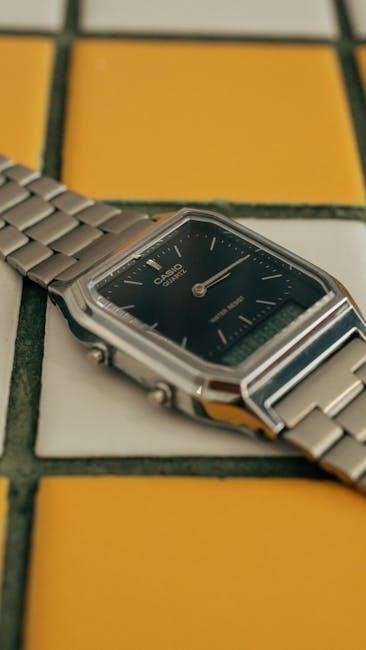
Mode Selection (Time, Date, Alarm)
To cycle through the available modes on your digital Timex, repeatedly press the ‘Mode’ button․ Each press will transition you to a different function․ The primary modes include Timekeeping, displaying the current time; Date, showing the calendar date; and Alarm, for setting and managing alarms․
The current mode is usually indicated by an icon or a letter displayed on the watch face․ Familiarize yourself with these indicators to quickly identify which function you are currently operating․ Proper mode selection is fundamental to accessing desired features․
Adjusting Time and Date Settings
After entering the Time or Date setting mode (typically accessed via the ‘Mode’ button), use the ‘Start/Stop’ and ‘Light’ buttons to modify the values․ ‘Start/Stop’ usually increments the selected digit, while ‘Light’ decrements it․
Carefully cycle through hours, minutes, year, month, and day using the ‘Mode’ button to select which element you wish to adjust․ Confirm your changes by pressing the ‘Mode’ button again, returning you to the standard time display․ Ensure accuracy for reliable timekeeping and date functionality․
Using the StopWatch Function
The Timex stopwatch is a versatile tool for timing events․ To activate, press the ‘Start/Stop’ button once; the seconds hand (or digital display) will begin counting․ Press ‘Start/Stop’ again to pause the timer․ A subsequent press resumes timing․
To record lap times, use the ‘Light’ button while the stopwatch is running․ This will briefly display the lap time without stopping the overall timer․ Press the ‘Reset’ button to return the stopwatch to zero, ready for a new measurement․ Accuracy depends on reaction time and button presses․
Starting, Stopping, and Resetting the Stopwatch
Initiating the stopwatch function is simple: a single press of the designated ‘Start/Stop’ button commences timing, indicated by the movement of the seconds hand or the digital display’s activation․ To temporarily halt the timer without losing elapsed time, press the ‘Start/Stop’ button again․
Resuming timing requires another press of the same button․ To completely clear the recorded time and return the stopwatch to zero, firmly press the ‘Reset’ button․ This prepares the function for a new timing sequence, ensuring accurate measurements each time․
Lap Timing with the Stopwatch
To record lap times, initiate the stopwatch as previously described․ Upon reaching a designated lap point, press the ‘Lap’ button․ This action freezes the elapsed time momentarily, displaying the lap time while the stopwatch continues running in the background to track overall time․
Subsequent presses of the ‘Lap’ button will record additional lap times, allowing for detailed performance analysis․ The watch typically stores multiple lap records, accessible for review after stopping the stopwatch․ Utilizing this feature enhances training and performance monitoring․
Stopwatch Accuracy and Considerations
While Timex stopwatches are designed for reliable timing, inherent limitations exist․ Accuracy can be affected by reaction time when starting, stopping, or recording laps․ External factors, such as extreme temperatures or strong magnetic fields, may also introduce minor discrepancies․
For professional timing applications demanding utmost precision, dedicated timing equipment is recommended․ However, for general fitness tracking, sports practice, or casual timing needs, the Timex stopwatch provides a convenient and sufficiently accurate tool․ Regular calibration isn’t typically required for standard use․
Setting and Using Alarms
Timex watches often feature alarm functionality, enhancing their utility beyond simple timekeeping․ To set a new alarm, navigate to the alarm setting mode, typically accessed through button presses․ You’ll then adjust the hour and minute for your desired alarm time․ Confirm your selection to save the alarm setting․
Activating or deactivating alarms is usually done via a dedicated button or within the alarm settings menu․ Some models include a snooze function, allowing for a brief postponement of the alarm․ Refer to your specific model’s instructions for detailed operation․
Setting a New Alarm
To initiate alarm setup on your Timex, first enter the alarm setting mode – typically achieved by pressing and holding a designated button․ Once inside, the hour digits will usually flash, prompting you to set the desired hour for the alarm․ Use the mode or select buttons to increment the hour․
Next, confirm the hour and proceed to set the minutes, again using the appropriate buttons to adjust the value․ Finally, confirm your minute selection to fully establish the new alarm time․ Ensure the alarm is activated for it to function correctly․
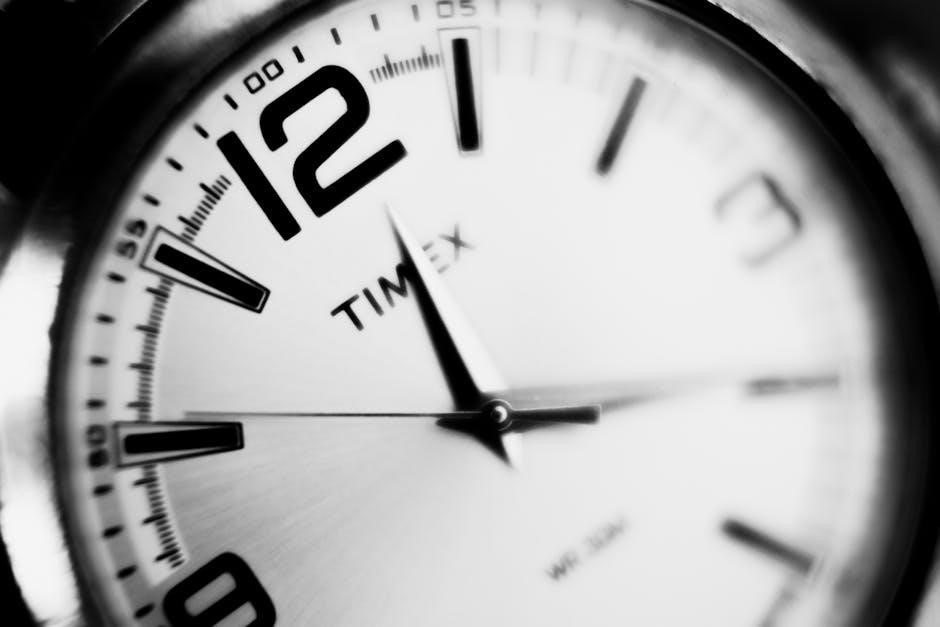
Activating and Deactivating Alarms
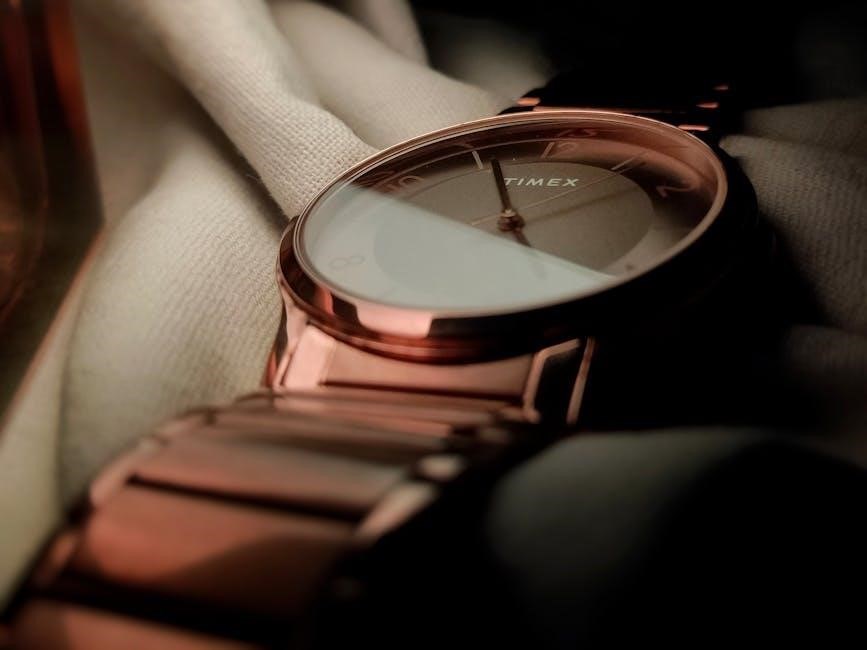
Activating your Timex alarm generally involves pressing a dedicated alarm button, often indicated by a bell symbol․ A visual confirmation, like an alarm icon appearing on the display, signifies successful activation․ To deactivate, simply press the same alarm button again; the icon should disappear․
Some models feature multiple alarms, requiring you to select the specific alarm before activating or deactivating it․ Refer to your model’s specific instructions for precise button combinations․ Regularly check alarm status to ensure readiness when needed․
Snooze Functionality (If Applicable)
If your Timex model includes a snooze function, pressing a designated button – often the ‘Light’ or ‘Start/Stop’ button – when the alarm sounds will temporarily silence it․ The snooze duration is typically around nine minutes, though some models allow customization․
The alarm will reactivate after the set interval, providing a brief extension to your sleep․ Repeatedly pressing the snooze button will continue this cycle․ To fully disable the alarm, you must press the alarm button to deactivate it entirely, preventing further snoozing․
Understanding Timex Indiglo Night-Light
Timex Indiglo is a signature feature providing exceptional nighttime visibility․ This electroluminescent backlight illuminates the watch dial, making it easy to read in low-light conditions․ Activation is typically achieved by pressing a designated button on the watch case, often the crown or a side button․
The Indiglo light offers a cool, blue glow, known for its even illumination and energy efficiency․ Frequent use doesn’t drastically impact battery life, but understanding its operation ensures optimal performance and longevity of your Timex watch․
Activating the Indiglo Feature
To activate the Indiglo night-light, locate the designated button on your Timex watch․ This is commonly the top-side button or, in some models, a push of the crown․ A brief press will illuminate the watch dial with the signature blue glow․ The Indiglo light typically remains active for a few seconds before automatically turning off, conserving battery power․
The duration of illumination is pre-set by the manufacturer․ Repeatedly pressing the button will reactivate the light as needed․ Ensure your finger is dry for reliable button operation and optimal Indiglo performance․
Indiglo Battery Life and Maintenance
The Indiglo night-light utilizes a separate power source within the watch, impacting overall battery life․ Frequent use of the Indiglo feature will naturally deplete this dedicated battery faster than standard timekeeping․ Expect reduced battery longevity if the night-light is activated often․
To maximize battery life, use the Indiglo feature judiciously․ When replacing the watch battery, consider requesting a battery optimized for Indiglo usage from a qualified technician․ Proper care extends the lifespan of both the main battery and the Indiglo system․
Troubleshooting Indiglo Issues
If the Indiglo night-light fails to illuminate, first ensure the main watch battery has sufficient charge, as a weak battery can affect all functions․ Try pressing the illumination button firmly and holding it for a few seconds․ If it still doesn’t work, a dedicated Indiglo battery replacement might be necessary․
Dim or flickering illumination could indicate a low Indiglo battery․ Contact a qualified watch technician for professional battery replacement and inspection․ Avoid attempting self-repair if unfamiliar with watch mechanisms, as this could cause further damage․
Water Resistance Explained
Timex watches offer varying levels of water resistance, indicated in meters (m)․ A rating of 30m resists splashes, but isn’t suitable for swimming․ 50m is ideal for recreational swimming, while 100m or higher can withstand higher pressure, like snorkeling or watersports․
However, water resistance isn’t permanent․ Avoid using the watch with hot water, soap, or detergents, as these can degrade seals․ Regularly inspect the crown and case for damage․ Pressure changes during flight can also affect water resistance, so it’s best to check before and after travel․
Timex Water Resistance Ratings (30m, 50m, 100m, etc․)
Timex categorizes water resistance in meters, indicating pressure withstood in laboratory tests․ 30m resists minor splashes, ideal for everyday wear, but not swimming․ 50m is suitable for recreational swimming and showering, offering increased protection․ 100m extends capabilities to snorkeling and surface watersports;
Higher ratings, like 200m and beyond, are designed for scuba diving․ Remember these are ratings, not depths․ Factors like seal age and temperature affect actual resistance․ Always rinse your watch with fresh water after exposure to salt water․
Caring for Your Water-Resistant Timex Watch
To maintain your Timex’s water resistance, periodic inspection is crucial․ Ensure the crown is fully closed and screwed down, if applicable, before water exposure․ Avoid using hot water, as it can damage seals․ Regularly rinse your watch with fresh water, especially after swimming in salt water or chlorinated pools․
Have the water resistance checked annually by a qualified watch technician․ Avoid exposing the watch to harsh chemicals or extreme temperatures, as these can degrade the seals over time, compromising its protection․
What to Avoid with Water Resistance
Never operate the crown or pushers while the watch is submerged․ Avoid diving or high-impact water sports with a watch only rated for splash resistance (30m/3ATM)․ Hot water, steam, and soapy water can compromise seals, so avoid showering, bathing, or using a sauna while wearing your Timex․
Leather and certain strap materials aren’t suitable for prolonged water exposure․ Regularly inspect the gaskets for damage and replace them as needed․ Remember, water resistance isn’t permanent and diminishes over time․
Changing the Watch Strap/Band
Replacing your Timex watch strap is a straightforward process, allowing for personalization and extending the life of your timepiece․ First, identify your strap type – spring bar, screw-in, or integrated․ You’ll need specific tools: a spring bar tool for standard straps, a small screwdriver for screw-in types, or potentially professional assistance for integrated bands․
Ensure the new strap matches the lug width of your watch case․ Carefully detach the old strap and install the new one, securing it properly to prevent accidental detachment during wear․
Identifying Your Strap Type
Before attempting a strap change, correctly identifying your strap type is crucial for a successful replacement․ Timex watches commonly utilize three main strap attachment methods․ Spring bar straps feature small pins compressed to connect the strap to the watch lugs․ Screw-in straps use tiny screws on the lug sides, requiring a precise screwdriver․
Finally, some Timex models employ integrated straps, seamlessly blending with the case – these often require professional removal and installation․ Examine your watch closely to determine which method applies, ensuring you have the correct tools․
Tools Required for Strap Replacement
Successfully changing your Timex watch strap necessitates having the correct tools readily available․ For spring bar straps, a spring bar tool is essential – this compresses the spring bars for easy removal and installation․ Screw-in straps demand a small screwdriver set, specifically with sizes matching the lug screws․
A magnifying glass can aid visibility with tiny screws․ A soft cloth protects the watch case from scratches during the process․ Lastly, a strap removal tool (optional) offers added leverage․ Ensure your tools are of good quality to prevent damage․
Step-by-Step Strap Replacement Guide
Begin by placing your Timex watch on a soft cloth to prevent scratches․ Using a spring bar tool (for spring bar straps), carefully compress the spring bar and detach the old strap․ For screw-in straps, use the appropriate screwdriver to unscrew the lug screws and remove the strap․
Align the new strap with the lug holes․ Re-insert the spring bars (or re-attach with screws), ensuring they are securely fastened․ Double-check the strap’s stability before wearing․ Proper installation prevents accidental detachment․
Timex Watch Battery Replacement
Caution: Battery replacement requires precision․ First, identify the correct battery type for your Timex model – typically a silver oxide or lithium battery․ You’ll need a small screwdriver, a plastic opening tool, and the replacement battery․ Gently open the watch case back, often using the plastic tool to avoid scratches․
Locate and carefully remove the old battery, noting its orientation․ Insert the new battery, ensuring correct polarity (+/-)․ Secure the case back, ensuring a water-resistant seal․ Dispose of the old battery responsibly․
Identifying the Battery Type
Crucially, Timex watches utilize various battery types depending on the model and features․ Common types include silver oxide batteries (like SR626SW, SR920SW) and lithium batteries․ Locating the battery type often requires opening the watch case back – proceed with caution! The battery number is usually printed directly on the old battery itself․
Alternatively, consult your watch’s manual or the Timex website using your model number․ Using the wrong battery can damage the watch’s movement․ Ensure the voltage and dimensions match the original for optimal performance and longevity․
Tools Needed for Battery Replacement
Successfully replacing your Timex watch battery requires a few essential tools․ A small, flathead screwdriver is vital for opening the case back, though a case opening knife is preferable to avoid scratches․ Plastic tweezers are crucial for handling the battery without short-circuiting it; A magnifying glass aids in seeing the small components․
Additionally, a battery size guide can help confirm the correct replacement․ A soft cloth protects the watch face during the process․ Consider a plastic or wooden pick to gently lift the battery; metal tools can cause damage․ Always work in a clean, well-lit area․
Safe Battery Replacement Procedures
Before beginning, ground yourself to discharge static electricity, preventing damage to the watch’s delicate circuitry․ Gently open the case back, avoiding scratches․ Carefully remove the old battery, noting its orientation – positive side up․ Never use excessive force․
Insert the new battery, ensuring correct polarity․ Inspect the gasket for damage and replace if necessary․ Securely close the case back, ensuring a watertight seal․ Dispose of the old battery responsibly at a designated recycling point․ Always double-check functionality before fully closing the watch․